Cerca nel blog

Cor-rispondenze

lunedì 21 ottobre 2019

Alla stessa tavola


Famiglia multi-etnica che gode Natale a tavola — Foto stock

Caro professore,
Sono sempre stata molto critica nei confronti degli immigrati, in particolare dei “moru” (mori) come li chiamo io. Mi chiedevano se avessi bisogno di una mano con le borse della spesa fuori dal supermercato e non li consideravo minimamente; li incontravo per strada e se i nostri sguardi si incrociavano quasi mi facevano paura. Vendevano le solite collanine portafortuna in spiaggia e li mandavo via; li vedevo chiedere l'elemosina davanti alla chiesa e mai una volta che io abbia pensato di lasciar loro il resto del gelato. Credo che ognuno di noi sotto sotto sia razzista. Quante volte ho sentito dire: «vengono qui e ci rubano il lavoro», «arrivano e portano criminalità», o addirittura «non potevano starsene dov’erano?». So che è una cosa brutta da dire, ma noi ci sentiamo superiori. Pensiamo di poter fare cosa ci pare di questi poveri immigrati. Apriamo, chiudiamo i porti, sbarriamo le frontiere, li affidiamo a chi più fa comodo allo Stato, e loro, naturalmente, indifesi e speranzosi seguono tutto quello che il paese ospitante decide sia giusto. Era una sera come tante. Allenamento, aperitivo con amiche, arrivo a casa stanca morta e taac… Due persone che non avevo mai visto in vita mia erano sedute al tavolo e stavano mangiando il solito riso alla parmigiana preparato da mio padre con il Bimby, la sua specialità. Subito pensai: «ma io lui l'ho già visto» e mi è bastato incrociare i suoi occhi per riconoscerlo: era il senegalese che chiedeva l'elemosina il giovedì al mercato. Lì per lì ero imbarazzata. Quando lo vedevo in centro a Borgo San Dalmazzo mi sembrava povero e indifeso; qui invece, in casa mia, eravamo allo stesso livello. L’unica cosa che ci differenziava era il colore della pelle. All'inizio ero un po’ taciturna, mi facevo i fatti miei. Non sapevo neanche se sapesse parlare l’italiano. Con l’evolversi della serata capii che una semplice conversazione con lui mi avrebbe potuto aprire la mente. Non potevo starmene con le mani in mano, dovevo sfruttare l’opportunità. Bastarono poche parole per impressionarmi: «non ho mai avuto paura della morte, ho visto così tante persone morire davanti ai miei occhi». Il discorso è andato avanti, ma sono rimasta talmente scioccata che non ho più ascoltato. Come può non farti paura una cosa che ti priva di tutto, perfino della vita stessa?! Iniziò a raccontare la sua vita. Nacque in Senegal e a soli sette anni rimase orfano. Studiò fino alle scuole medie, perché mancavano i soldi e a 14 anni iniziò a lavorare nei campi. In tarda adolescenza si fidanzò e insieme alla sua ragazza decise di cambiare vita. Di spostarsi in Italia. Con camioncini, macchine, mezzi pubblici e a piedi raggiunsero la Libia dove, dopo poche settimane, si imbarcarono. Mentre raccontava tutto ciò mi venivano i brividi. Non avevano un soldo, ma tanta voglia di costruirsi una vita, un futuro migliore. Vennero smistati in due barconi diversi e, quando arrivarono in Italia, riuscirono a rintracciarsi grazie al telefonino. Pian piano non lo vedevo come il Senegalese che chiede l'elemosina, ma come un ragazzo che, analogamente a me, ha tanta voglia di stravolgere il suo domani e di provare l’impossibile. Ritornando alla sua vita, venne mandato insieme alla sua ragazza in un centro di accoglienza in un paesino vicino a Cuneo. Qui le condizioni non erano ottimali, ma poco dopo trovò un lavoro ed ora eccolo a cena qui con noi. L’italiano non era perfetto, ma riuscivo a capire tutto perché ero interessata alle sue parole. Avevo la fortuna di avere di fronte a me una grande testimonianza. Mi ha fatto cambiare la visione del problema dell'immigrazione. Se noi provassimo a metterci nei loro panni le cose si ribaltebbero e, forse, si risolverebbero. Non è colpa loro se sono nati nella parte sfortunata del mondo. Caro prof. questo incontro fu ciò che fece scattare una scintilla nella mia testa ed ora, per fortuna, il mio modo di vedere il mondo è cambiato.
Martina, 16 anni


Cara Martina,
La tua lettera, meravigliosa, mi ha commosso. E mi commuove ogni volta che la rileggo. Nelle tue parole c’è un sorprendente concentrato di intelligenza, sensibilità e maturità che raramente si trova nei giornali quando trattano il tema dell’immigrazione. Di solito dilagano artificiose semplificazioni, lontananza emotiva, ridondanza retorica oppure leziose ideologie. Sei giunta all’essenziale e con la tua moderazione hai sbaragliato tutte le esasperazioni. Tra i tanti spunti che offri alla meditazione, trovo molto bello che tu dica che in casa tua eravate «allo stesso livello». Da una iniziale lontananza emotiva e culturale che creava un’asimmetria relazionale, sei passata al riconoscimento autentico dell’altro senza ridurlo ai tuoi schemi interpretativi. Dici di essere riuscita inoltre a comprendere tutto, perché eri «interessata alle sue parole». Già, la volontà di comprendere è infatti così potente da consentire di cogliere l’essenziale al di là dei tentennamenti linguistici. Alla fine affermi che «per fortuna» hai cambiato opinione. Quell’esclamazione rappresenta una sorta di liberazione da pensieri stagnanti e confusi, come se la vita sentisse la bellezza del bene. Anch’io dico «per fortuna» ci sono famiglie come la tua che praticano l’accoglienza senza ostentarla e «per fortuna» ti è venuto in mente di regalarci questa storia. Con la tua lettera anche noi possiamo diventare adulti più responsabili. Grazie.
Un caro saluto,
Alberto

lunedì 23 settembre 2019

MUbatt - Museo della Battaglia di Ceresole d'Alba del 1544


http://www.targatocn.it/2019/09/24/leggi-notizia/argomenti/attualita/articolo/ceresole-sinaugura-il-mubatt-tre-giorni-di-eventi-per-il-museo-che-ricorda-ricordera-la-cele.html


I comuni di Saint-Paul-de-Vence (FR) e di Ceresole d’Alba (CN) possiedono una storia comune, come dimostrato dalla presenza delle alte mura e del cannone di Saint-Paul-de-Vence, ex-città reale. Questi reperti costituiscono la memoria dei conflitti che hanno avuto luogo nel corso delle guerre d’Italia, in particolare nel corso della battaglia di Ceresole, vinta da Francesco I di Francia, nell’aprile 1544.

Il Museo della Battaglia di Ceresole d’Alba (muBATT) nasce dalla collaborazione tra i Comuni di Ceresole d’Alba e Saint-Paul-de-Vence all’interno del progetto europeo “SuCCeSS”, finanziato dal programma INTERREG V ALCOTRA France – Italia 2014 – 2020.

Il muBATT, realizzato riqualificando gli ambienti della vecchia ala del mercato del Comune di Ceresole d’Alba, permetterà ai visitatori di scoprire le vicende e le curiosità di una delle più importanti battaglie combattute da eserciti stranieri in territorio italiano.

Protagonisti dello scontro, avvenuto il 14 aprile del 1544, furono l’esercito francese di Francesco I e l’esercito degli Imperiali guidato da Carlo V, che si sfidarono per ottenere l’egemonia in territorio italiano. Lo scontro, che vide protagonista circa 30 mila soldati, si concluse con la vittoria dell’esercito francese.

Il percorso di visita avrà l’obiettivo di raccontare la battaglia ed evidenziare lo stretto legame tra il territorio di Ceresole d’Alba e la sua straordinaria storia, ricca di vicissitudini. Tra le sale dello spazio espositivo il visitatore potrà cimentarsi in un viaggio alla scoperta della battaglia, ammirandone le testimonianze e i cimeli storici conservati preziosamente durante i secoli.

Il muBATT, Museo della Battaglia di Ceresole d’Alba verrà inaugurato domenica 29 settembre 2019. Per ulteriori informazioni si prega di contattare il numero 0173 364030 o scrivere una mail a info@turismoinlanga.it.


domenica 21 luglio 2019

libri consigliati

Cari ragazzi,
oggi 21 luglio 2019 ricordiamo lo scrittore e partigiano Nuto Revelli a cent'anni dalla nascita.
Ecco alcuni libri che potete leggere:

Risultati immagini per nuto revelli


lunedì 3 giugno 2019

libri consigliati

Controllate anche in "etichette" gli altri libri... (è un link sotto l'elenco dei post). I libri degli autori classici di filosofia e storia sono indicati nei post precedenti.
Leggete il libro di Svetlana Aleksandrovna Aleksievič, Preghiera per Černobyl : cronaca del futuro, Roma : E/O, 2015, pp. 293, euro 14,00.
Ogni tanto, guardate i video di Alessandro Barbero, maestro unico, su Youtube.
Qualunque cosa ascoltiate è un'eccellenza.
Buone vacanze.


Edith Hall, Il metodo Aristotele : come la saggezza degli antichi può cambiare la vita, Torino,  Einaudi, 2019, pp. 284, euro 19,50 (bellissimo).


Ilaria Gaspari, Lezioni di felicità, Torino Einaudi 2019, pp. 160, euro 13,00 (è un libro molto divertente)


Davide Susanetti, La felicità degli antichi, Milano, Feltrinelli, pp. 224, euro 9,50


Roberto Peregalli, La corazza ricamata. I Greci e l'invisibile, Milano, Bompiani, pp. 152, euro 8,00

Risultati immagini per natoli perseveranza

Salvatore Natoli, Perseveranza, Bologna, Il Mulino 2014, pp. 141, euro 12,00 (I libri di Natoli sono necessari per pensare)


Salvatore Natoli, L'arte di meditare. Parole della filosofia, Milano, Feltrinelli, pp. 174, euro 7,65


Salvatore Natoli, L'edificazione di sé. Istruzioni sulla vita interiore, Bari, Laterza, pp. 104, euro 10,00


Salvatore Natoli, Dizionario dei vizi e delle virtù, Milano, Feltrinelli, pp. 165, euro 9,00


Salvatore Natoli, Il rischio di fidarsi, Bologna, Il Mulino 2016, pp. 167, euro 12,00


 Risultati immagini per aleksievic chernobyl

Svetlana Aleksandrovna Aleksievič, Preghiera per Černobyl : cronaca del futuro, Roma : E/O, 2015, pp. 293, euro 14,00


Tiffany Watt Smith, Atlante delle emozioni umane : 156 emozioni che hai provato, che non sai di aver provato, che non proverai mai, Torino, Utet 2017, pp. 373, euro 18,70

Non si può dividere il cielo. Storie dal muro di Berlino - Gianluca Falanga - copertina

Gianluca Falanga, Non si può dividere il cielo: storie dal muro di Berlino, Roma, Carocci, 2017, pp. 256, euro 14,50

Risultati immagini per ferrari miti di platone

I miti di Platone, a cura di Franco Ferrari, con una premessa di Mario Vegetti, Milano, Bur, 2009, pp. 357, euro 5.20


Socrate tra personaggio e mito, a cura di Franco Ferrari, Bur, 2009, oggi epub o pdf, euro 4,99.
Contiene i passi più importanti per capire Socrate.


Ivano Dionigi, Quando la vita ti viene a trovare. Lucrezio, Seneca e noi, Bari, Laterza, 2018, pp. 125, euro 14,00.


Stefan Zweig, Il mondo di ieri, Milano, Mondadori 2016, pp. 392, euro 14,00


Tony Judt, Postwar. La nostra storia 1945-2005, Bari-Roma, Laterza, 2017
pp. 1075, euro 25,00. Anche solo un capitolo...


Storia mondiale dell'Italia, a cura di Andrea Giardina, con la collaborazione di Emmanuel Betta, Maria Pia Donato, Amedeo Feniello, Bari-Roma, Laterza, 2017, 847 euro 30,00.  Solo qualche capitolo...

Risultati immagini per l'età della gloria

Tim Blanning, L'età della gloria, Bari-Roma, Laterza, 2011-2017, pp. 813, euro 15,00.


Alexandre Dumas, La regina Margot, Milano, Bur, 2007, pp. 666, euro 11,00.


Vittorio Vidotto, Atlante del Ventesimo secolo. I documenti essenziali, Bari, Laterza 2011. (Si tratta di 4 volumi con i documenti essenziali del Novecento).


lunedì 6 maggio 2019

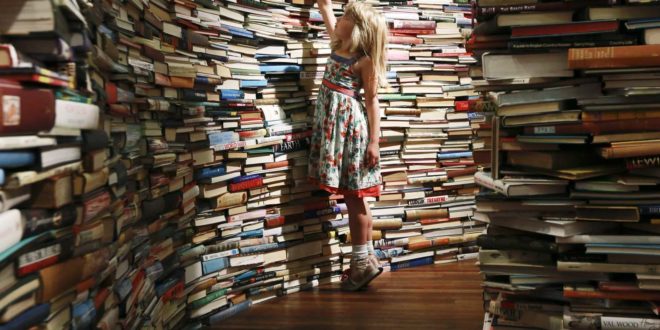
How to choose a book

Immagine correlata
Dear Professor,
Usually I choose a book with the title or the image on the cover, but after the book has attracted my attention and my curiosity I always read the summary behind. I've been deceived by the cover many times. In fact, the book that had attracted me turned out to be a disappointment (though it wasn't what I expected). Similarly, books with a cover that didn't arouse curiosity in me turned out to be very interesting. Similar things happen with people, they are also books to choose and judge. How many times do we men stop only at the cover and title of the person, instead of "turning the book over" and reading the summary. It happened to me some time ago, to meet new people including two girls that at first I found unpleasant, a bit too vain and also with that air of superiority. In these months I shot those books and started to read the summary: I liked that book, the deepest part! Now I don't find them more unpleasant and even if they are not my best friends, they are good and kind to me. Judging a book by its cover is never a good idea, even if sometimes it is difficult to resist the temptation to buy and choose it without reading it. How can you resist this temptation? How do you judge a book?
Sofia, IA

Dear Sofia,
The Italian philosopher of the language Massimo Baldini, in a beautiful book entitled "Elogio del silenzio e della parola" (ed. Rubbettino) has described with effectiveness the contemporary reader. He states that in the twentieth century "the nomadic reader appeared, the poacher reader, the reader who proceeds by tasting, who no longer reads the texts in full, but by polling, jumping, appeared readers who cannibalized the texts, who proceeded between the pages of the works with the zigzagging gait of those who walk herbalizing". I have to say that "walking in herbalism" is the phrase I prefer, because it represents well the way of moving between books and authors. The image of the bovine is basically very familiar (I hope not only to me) and its zigzagging gait is very similar to our walking in search of beauty, traces to orient ourselves in the world and hypotheses of reading. So let's travel on this significant double track: book-human being, cover-appearance and reality. Unfortunately, books lie, omit and promise. Just like people. They lie when they ensure what they cannot keep: mediocre, pretentiously titled works that do not produce advances in culture or understanding. Sometimes they omit out of necessity. The name of the author was not written on Spinoza's "Theological-Political Treatise" published in Holland in 1670, but that omission served to protect the philosopher and guaranteed him the possibility of freely expressing his thought. Others still commit themselves without maintaining. Between 1886 and 1887 Nietzsche thought of writing a grandiose work entitled: "The Will of Power". He mentions it explicitly in bold in the words "Genealogy of morals" and even announces it on the cover of the book. But he will never write it or publish it in life. In literature it often happens that the title or cover has no relation to the content. It may seem strange to you, but books of literature are not wise, so the title is not necessarily linked to the plot, it can be a simple suggestion sought. Moreover, the sense given by the author is often different from what the reader attributes to him and many titles depend on commercial choices to optimize sales and not to clarify the content. But it is also right to make random choices, which are not so random, because a book that arrives at the bookstore and stays there for a long time is already a widely selected book. To put it bluntly, if one happens to find Stefano Benni on a shelf and is fascinated by his writing, it is true that he may have discovered the author because of a favourable economic situation, but the book was certainly not there by chance. It is probable that by some fatalities you can make such great acquaintances, and it is also nice to be amazed by the reading and recognize for yourself the beauty, the style and the plot of a masterpiece. Yes, because then you want to share that beauty with others. With experience, you become more astute in the choice of works, because everyone builds their own criteria for reading, the filters to rely on for the interpretation of events or for the style of the narrative. But the fascination of casual discovery, the enchantment of the moment, the pleasantness of the encounter, the openness to the newness that must manifest itself remain absolutely unique pleasures. Choosing a book, without the circumspect colored lenses of adults, is an act of trust, as when we are going to taste a new food. In any case, to be sure of being free, it is necessary to take Pennac's advice on board, that is, his suggestions formalized in the "ten rights of the reader" (Come un romanzo, Feltrinelli). The right not to read, to skip the pages, not to finish the book. Sometimes - for books as for people - in order not to fall into fatal mistakes, it can be very useful to rely on another essential right: the right to reread.
A warm greeting,

Alberto

Comment juger un livre

Immagine correlata
Cher Professeur,
D'habitude, je choisis un livre avec le titre ou l'image sur la couverture, mais après que le livre ait attiré mon attention et ma curiosité, je lis toujours le résumé qui suit. J'ai été trompé par la couverture plusieurs fois. En fait, le livre qui m'avait attiré s'est avéré être une déception (bien que ce ne soit pas ce à quoi je m'attendais). De même, les livres dont la couverture n'a pas éveillé ma curiosité se sont révélés très intéressants. Des choses semblables se produisent avec les gens, ce sont aussi des livres à choisir et à juger. Combien de fois nous, les hommes, nous arrêtons-nous seulement à la couverture et au titre de la personne, au lieu de "retourner le livre" et de lire le résumé. Cela m'est arrivé il y a quelque temps, de rencontrer de nouvelles personnes dont deux filles que j'ai d'abord trouvées désagréables, un peu trop vaniteuses et aussi avec cet air de supériorité. Pendant ces mois, j'ai tourné ces livres et j'ai commencé à lire le résumé : j'ai aimé ce livre, la partie la plus profonde ! Maintenant je ne les trouve pas plus désagréables et même si ce ne sont pas mes meilleurs amis, ils sont bons et gentils avec moi. Juger un livre à sa couverture n'est jamais une bonne idée, même s'il est parfois difficile de résister à la tentation de l'acheter et de le choisir sans le lire. Comment résister à cette tentation ? Comment jugez-vous un livre ?
Sofia, IA

Chère Sofia,
Le philosophe italien de la langue Massimo Baldini, dans un beau livre intitulé "Elogio del silenzio e della parola" (ed. Rubbettino) a décrit avec efficacité le lecteur contemporain. Il affirme qu'au XXe siècle "le lecteur nomade est apparu, le lecteur braconnier, le lecteur qui procède par la dégustation, qui ne lit plus les textes en entier, mais par le sondage, le saut, les lecteurs qui cannibalisent les textes, qui passent entre les pages des ouvrages avec la démarche en zigzag de celui qui marche en les équilibrant". Je dois dire que "marcher dans l'herboristerie" est l'expression que je préfère, parce qu'elle représente bien la façon de se déplacer entre les livres et les auteurs. L'image du bovin est fondamentalement très familière (je l'espère pas seulement pour moi) et sa démarche en zigzag est très semblable à notre marche à la recherche de beauté, de traces pour nous orienter dans le monde et d'hypothèses de lecture. Voyageons donc sur cette double piste importante : l'être humain-livre, l'apparence de couverture et la réalité. Malheureusement, les livres mentent, omettent et promettent. Tout comme les gens. Ils mentent quand ils assurent ce qu'ils ne peuvent pas garder : des œuvres médiocres, aux titres prétentieux, qui ne font pas progresser la culture ou la compréhension. Parfois, ils omettent par nécessité. Le nom de l'auteur ne figurait pas sur le "Traité théologico-politique" de Spinoza publié en Hollande en 1670, mais cette omission servait à protéger le philosophe et à lui garantir la possibilité d'exprimer librement sa pensée. D'autres encore s'engagent sans maintenir. Entre 1886 et 1887, Nietzsche songea à écrire une œuvre grandiose intitulée "The Will of Power". Il le mentionne explicitement en gras dans les mots "Généalogie de la morale" et l'annonce même sur la couverture du livre. Mais il ne l'écrira jamais et ne le publiera jamais de sa vie. Dans la littérature, il arrive souvent que le titre ou la couverture n'ait aucun rapport avec le contenu. Cela peut vous sembler étrange, mais les livres de littérature ne sont pas sages, donc le titre n'est pas nécessairement lié à l'intrigue, ce peut être une simple suggestion recherchée. De plus, le sens donné par l'auteur est souvent différent de ce que le lecteur lui attribue et de nombreux titres dépendent de choix commerciaux pour optimiser les ventes et non pour clarifier le contenu. Mais il est également juste de faire des choix aléatoires, qui ne sont pas si aléatoires, car un livre qui arrive à la librairie et y reste longtemps est déjà un livre largement sélectionné. Pour parler franchement, si l'on trouve Stefano Benni sur une étagère et que l'on est fasciné par son écriture, il est vrai qu'il a peut-être découvert l'auteur en raison d'une situation économique favorable, mais le livre n'était certainement pas là par hasard. Il est probable que certains décès vous permettent de faire de si bonnes connaissances, et il est également agréable d'être émerveillé par la lecture et de reconnaître par vous-même la beauté, le style et l'intrigue d'un chef-d'œuvre. Oui, parce que tu veux partager cette beauté avec les autres. Avec l'expérience, on devient plus astucieux dans le choix des œuvres, car chacun construit ses propres critères de lecture, les filtres sur lesquels s'appuyer pour l'interprétation des événements ou pour le style du récit. Mais la fascination de la découverte fortuite, l'enchantement du moment, le plaisir de la rencontre, l'ouverture à la nouveauté qui doit se manifester restent des plaisirs absolument uniques. Choisir un livre, sans les lentilles colorées circonspectes des adultes, est un acte de confiance, comme quand nous allons goûter un nouvel aliment. En tout cas, pour être sûr d'être libre, il faut tenir compte des conseils de Pennac, c'est-à-dire de ses suggestions formalisées dans les "dix droits du lecteur" (Come un romanzo, Feltrinelli). Le droit de ne pas lire, de sauter les pages, de ne pas finir le livre. Parfois - pour les livres comme pour les gens - pour ne pas tomber dans des erreurs fatales, il peut être très utile de s'appuyer sur un autre droit essentiel : le droit à la relecture.
Un accueil chaleureux,
Alberto

Wie man ein Buch beurteilt

Immagine correlata

Sehr geehrter Herr Professor,
Normalerweise wähle ich ein Buch mit dem Titel oder dem Bild auf dem Cover, aber nachdem das Buch meine Aufmerksamkeit und meine Neugierde geweckt hat, lese ich immer die Zusammenfassung dahinter. Ich wurde oft von der Tarnung getäuscht. Tatsächlich erwies sich das Buch, das mich angezogen hatte, als eine Enttäuschung (obwohl es nicht das war, was ich erwartet hatte). Auch Bücher mit einem Cover, das in mir keine Neugierde weckte, erwiesen sich als sehr interessant. Ähnliche Dinge passieren mit Menschen, sie sind auch Bücher, die man wählen und beurteilen kann. Wie oft hören wir Männer nur bei Titel und Titel der Person auf, anstatt "das Buch umzudrehen" und die Zusammenfassung zu lesen. Es ist mir vor einiger Zeit passiert, neue Leute zu treffen, darunter zwei Mädchen, die ich anfangs unangenehm, ein wenig zu eitel und auch mit dem Hauch von Überlegenheit fand. In diesen Monaten drehte ich diese Bücher und begann, die Zusammenfassung zu lesen: Mir gefiel dieses Buch, der tiefste Teil! Jetzt finde ich sie nicht mehr unangenehm und auch wenn sie nicht meine besten Freunde sind, sind sie gut und freundlich zu mir. Ein Buch nach seinem Umschlag zu beurteilen, ist nie eine gute Idee, auch wenn es manchmal schwierig ist, der Versuchung zu widerstehen, es zu kaufen und auszuwählen, ohne es zu lesen. Wie kannst du dieser Versuchung widerstehen? Wie beurteilt man ein Buch?
Sofia, IA


Sehr geehrte Sofia,
Der italienische Philosoph der Sprache Massimo Baldini hat in einem schönen Buch mit dem Titel "Elogio del silenzio e della parola" (Hrsg. Rubbettino) den zeitgenössischen Leser wirkungsvoll beschrieben. Er erklärt, dass im zwanzigsten Jahrhundert "der nomadisierende Leser erschien, der Wilderer-Leser, der Leser, der durch Verkostung weitermacht, der die Texte nicht mehr vollständig liest, sondern durch Umfragen, Springen und Springen, Leser erschien, die die Texte kannibalisierten, die zwischen den Seiten der Werke mit dem zickzackförmigen Gang derjenigen, die Kräuterkunde gehen, gingen". Ich muss sagen, dass ich es vorziehe, "in Kräuterkunde zu gehen", weil es die Art und Weise ist, wie man sich zwischen Büchern und Autoren bewegt. Das Bild der Rinder ist im Grunde sehr vertraut (ich hoffe nicht nur für mich) und ihr zickzackförmiger Gang ist unserem Gehen auf der Suche nach Schönheit, Spuren der Orientierung in der Welt und Hypothesen des Lesens sehr ähnlich. Lassen Sie uns also auf diesem wichtigen doppelten Weg reisen: Buch-Menschlichkeit, Cover-Erscheinung und Realität. Leider lügen, lassen aus und versprechen Bücher. Genau wie die Menschen. Sie lügen, wenn sie sich das sichern, was sie nicht behalten können: mittelmäßige, übertrieben betitelte Werke, die keine Fortschritte in Kultur und Verständnis bringen. Manchmal lassen sie es aus Not aus. Der Name des Autors stand nicht auf Spinozas 1670 in Holland veröffentlichter "Theologisch-Politischer Abhandlung", aber diese Auslassung diente dem Schutz des Philosophen und garantierte ihm die Möglichkeit, seinen Gedanken frei zu äußern. Andere engagieren sich immer noch, ohne zu warten. Zwischen 1886 und 1887 dachte Nietzsche an ein grandioses Werk mit dem Titel "Der Wille der Macht". Er erwähnt es explizit in den Worten "Genealogie der Moral" fettgedruckt und verkündet es sogar auf dem Titel des Buches. Aber er wird es nie schreiben oder im Leben veröffentlichen. In der Literatur kommt es oft vor, dass der Titel oder das Cover keinen Bezug zum Inhalt hat. Es mag dir seltsam erscheinen, aber Literaturbücher sind nicht weise, also ist der Titel nicht unbedingt mit der Handlung verbunden, es kann ein einfacher gesuchter Vorschlag sein. Darüber hinaus ist der Sinn, den der Autor gibt, oft anders als das, was der Leser ihm zuschreibt, und viele Titel hängen von kommerziellen Entscheidungen ab, um den Verkauf zu optimieren und den Inhalt nicht zu verdeutlichen. Aber es ist auch richtig, zufällige Entscheidungen zu treffen, die nicht so zufällig sind, denn ein Buch, das in der Buchhandlung ankommt und dort lange Zeit bleibt, ist bereits ein weit verbreitetes Buch. Um es ganz offen zu sagen: Wenn man Stefano Benni im Regal findet und von seinem Schreiben fasziniert ist, ist es wahr, dass er den Autor aufgrund einer günstigen wirtschaftlichen Situation entdeckt hat, aber das Buch war sicherlich nicht zufällig da. Es ist wahrscheinlich, dass man durch einige Todesfälle so gute Bekanntschaften machen kann, und es ist auch schön, von der Lektüre überrascht zu sein und die Schönheit, den Stil und die Handlung eines Meisterwerks selbst zu erkennen. Ja, denn dann willst du diese Schönheit mit anderen teilen. Mit der Erfahrung werden Sie bei der Auswahl der Werke schlauer, denn jeder baut seine eigenen Kriterien für das Lesen, die Filter, auf die man sich bei der Interpretation von Ereignissen oder beim Stil der Erzählung verlassen kann. Aber die Faszination der zufälligen Entdeckung, der Zauber des Augenblicks, die Freude an der Begegnung, die Offenheit für das Neue, das sich manifestieren muss, bleiben absolut einzigartige Freuden. Die Wahl eines Buches, ohne die umsichtigen farbigen Linsen der Erwachsenen, ist ein Akt des Vertrauens, so wie wenn wir ein neues Essen probieren werden. Um sicher zu sein, dass er frei ist, ist es auf jeden Fall notwendig, den Rat von Pennac zu befolgen, d.h. seine Vorschläge, die in den "zehn Rechten des Lesers" (Come un romanzo, Feltrinelli) formalisiert sind. Das Recht, nicht zu lesen, die Seiten zu überspringen, das Buch nicht zu beenden. Manchmal - bei Büchern wie bei Menschen - kann es sehr nützlich sein, sich auf ein anderes wesentliches Recht zu verlassen, um nicht in fatale Fehler zu geraten: das Recht auf Nachlesen.
Ein herzlicher Gruß,
Albert